Breezella Script: A Professional Embroidery Font for Clean Stitching
Finding the right typography for physical products is often more challenging than selecting a font for a digital screen. When you move from pixels to thread, the rules change entirely. A font that looks gorgeous on a website might turn into a tangled mess of stitches on a cotton polo shirt. For small business owners and designers working with apparel, accessories, and home goods, the transition from graphic design to machine embroidery requires a specific skill set—and specific tools. This is where a dedicated digitized typeface, such as the Breezella Script Embroidery Font, becomes an essential asset in your design toolkit.
The Reality of Machine Embroidery Typography
Embroidery is a tactile art form. Unlike printing ink onto paper, embroidery involves physical thread pulling against the tension of fabric. If a font is too thin, the thread will snap or disappear into the weave. If the connections between letters are too complex, the machine will create a dense, stiff patch of thread that ruins the drape of a garment. This is why standard graphic fonts often fail in this environment.
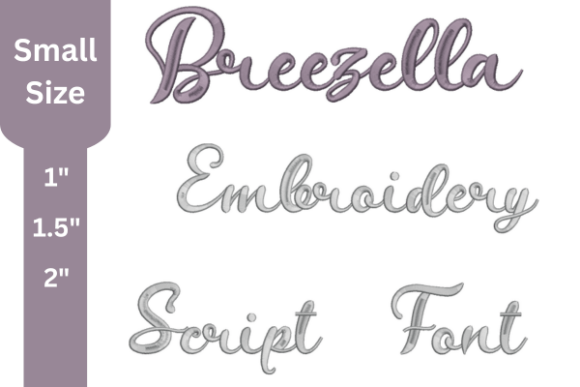
The Breezella Script Embroidery Font addresses these physical constraints through professional digitization. Digitizing is the process of translating a vector design into a map of stitches that an embroidery machine can read. With Breezella, the characters have been carefully crafted to ensure smooth, clean stitch quality. This means the underlay stitches are balanced to stabilize the fabric, and the top stitches are optimized for flow. The result is a script font that mimics the fluidity of handwriting but withstands the mechanical process of a needle and bobbin.
Visual Appeal and Brand Identity
From a visual communication standpoint, Breezella offers a distinct personality. Script fonts are often associated with elegance, personalization, and a human touch. They are the antithesis of the cold, corporate feel of geometric sans-serifs. However, many script fonts lean too heavily into "fancy" territory, making them difficult to read on smaller items like hat brims or sleeve cuffs.
Breezella strikes a practical balance. It maintains the flowing, cursive aesthetic that makes embroidery look premium, yet it prioritizes readability. The uppercase and lowercase letters are designed with consistent spacing, ensuring that names and monograms remain legible even when stitched at smaller sizes. This visual consistency is vital for brand recognition. If you are monogramming napkins for a catering company or adding logos to mechanic uniforms, the typography needs to look professional and clear from a distance.
Practical Applications for Small Businesses
For entrepreneurs and small business owners, the versatility of a font like Breezella is a significant advantage. It serves as a multi-purpose workhorse for various product categories. Consider the following real-world scenarios where this specific embroidery font shines:
- Custom Apparel: This is the most common use case. Whether you are creating team spirit wear, boutique t-shirts, or staff uniforms, Breezella provides a polished look. It is particularly effective for names on the chest area of polos or hoodies.
- Gifts and Monograms: The personalization market is booming. From baby shower blankets to wedding handkerchiefs, the ability to stitch a clear, beautiful monogram adds immense value to a product. The font includes numbers as well, allowing for anniversary dates or graduation years to be added seamlessly.
- Home Décor: Think beyond clothing. Pillowcases, table runners, and tote bags benefit from high-quality typography. A script font softens the look of home textiles, adding a cozy, bespoke feel.
- Pet Accessories: Collars and leashes often feature embroidered pet names. The durability of the digitized stitching ensures the text survives rough play and washing.
Integrating Embroidery into Your Design Workflow
If you are a designer expanding your services to include physical products, understanding how to integrate a font like Breezella into your workflow is key. It is important to remember that this is not a standard TTF or OTF file that you can drag and drop into Microsoft Word or Photoshop. It is a machine embroidery file format (such as PES, DST, JEF, or EXP) intended for use with embroidery software and hardware.
The workflow typically looks like this:
- Selection: Choose the Breezella font file compatible with your machine.
- Software Editing: Open the file in your embroidery digitizing software (like Hatch, Wilcom, or Brother PE-Design). Here, you can type out your desired text, adjust the size, and combine it with other design elements like logos.
- Stabilization: Select the right stabilizer for your fabric. A stretchy knit requires a different backing than a stiff canvas.
- Production: Load the file onto your machine and stitch.
Because Breezella is optimized for machine use, you will likely spend less time troubleshooting thread breaks or bird-nesting (when thread bunches up underneath), allowing you to fulfill orders faster.
Ensuring Professional Presentation
In the world of custom merchandise, the "homemade" look is no longer acceptable. Customers expect "handcrafted" quality with "professional" precision. The difference lies in the details—specifically, the crispness of the edges and the density of the fill.
A poorly digitized font often leads to "bullet holes" around letters or jagged edges that look fuzzy. Breezella’s professional digitization ensures that the satin stitches (the shiny, flat stitches used for text) have the correct pull compensation. This technical detail ensures that the final embroidered product looks exactly as intended, regardless of slight variations in fabric tension. For a brand owner, this reliability translates directly to fewer wasted products and higher customer satisfaction.
Creative Freedom and Flexibility
While the font is designed for embroidery, its design principles align with modern typography trends. It captures the essence of a modern script font—clean lines with a touch of personality. This makes it an excellent candidate for "hybrid" branding.
Imagine designing a logo for a client. You use Breezella for the embroidered patches on their hats and jackets, but you might pair it with a complementary sans-serif font for their website headers and digital marketing materials. This creates a cohesive brand identity across both physical and digital touchpoints. The aesthetic of Breezella bridges the gap between the handmade craft market and contemporary digital design.
Key Considerations Before You Stitch
Before starting a project with any embroidery font, it is wise to run a test stitch-out. Even with a high-quality file, variables like thread type (polyester vs. rayon), needle size, and fabric color can affect the outcome.
For example, a dark navy thread on a black fabric might not have enough contrast to be readable. In this case, you might need to add a "knockdown" stitch or a background shape behind the text. Breezella’s clean structure makes it easy to add outlines or shadows in your software without obscuring the letterforms.
Additionally, consider the scale. While the font is designed for readability, embroidery has physical limits. Extremely small text (under 0.25 inches high) is generally difficult to read regardless of the font. Plan your layouts to give the text room to breathe.
Final Thoughts on Value
Investing in a premium, digitized font like Breezella Script is an investment in your efficiency and your brand's reputation. It eliminates the guesswork of converting standard fonts into stitch files—a process that can be tedious and error-prone for those without advanced digitizing skills.
Whether you are a hobbyist personalizing gifts for family or a business owner scaling up your production line, having reliable assets in your library is crucial. Breezella offers the necessary tools: a complete character set including numbers, optimized stitch paths, and a timeless aesthetic. It allows you to focus on the creative side of your business, confident that the technical side of the typography is handled. By using a font specifically engineered for the medium, you ensure that your final product isn't just stitched—it's crafted.