Modern Alphabet Font: Uppercase Font Design for Bold Projects
There is a specific weight to a design when every letter stands at full height. It isn’t just about shouting a message; it is about occupying space with authority. In the world of modern typography, the choice to use an all-caps typeface is rarely accidental. It is a deliberate stylistic decision that signals confidence, minimalism, and contemporary appeal. If you have been searching for a way to anchor your visual identity with something that feels both timeless and distinctly modern, the structure of an uppercase typeface offers the perfect solution. It strips away the descending loops and ascending stems of lowercase letters, creating a uniform baseline and cap height that brings a rhythmic consistency to headlines, logos, and digital displays.
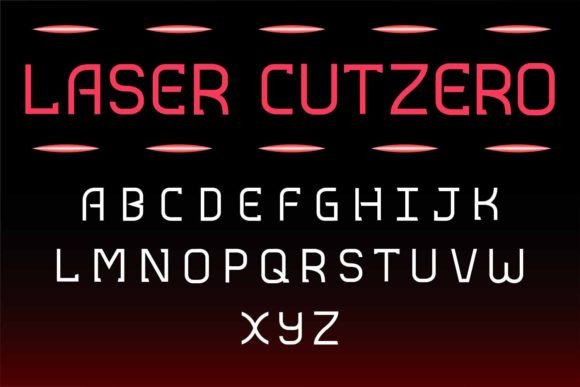
The provided Uppercase Font Design package is built specifically for this kind of visual impact. It is a modern alphabet font tailored for lettering, printing, and graphic design. Whether you are a freelance designer juggling multiple brand identities, a small business owner trying to establish a professional look, or a content creator needing scroll-stopping thumbnails, having a versatile, high-quality typeface in your toolkit is non-negotiable. This particular asset includes everything from high-resolution JPGs to fully scalable vector files, ensuring that your workflow remains smooth from the initial concept to the final print run.
The Psychology of Capitalization in Branding
Why do so many high-end brands and tech startups gravitate toward uppercase lettering? It comes down to the psychology of perception. Lowercase letters often feel conversational, friendly, and approachable—think of the logos for social media platforms or casual apps. However, uppercase typography conveys stability, importance, and professionalism. When you use a display font that is entirely capitalized, you are telling your audience that your brand is established and serious about its presence.
This doesn't mean the design has to be cold or sterile. The Uppercase Font Design featured here balances that structural authority with modern curves and spacing. It avoids the rigid, blocky look of bureaucratic forms. Instead, it embraces the clean lines of modern typography, making it suitable for luxury branding, high-fashion editorial layouts, and corporate identity systems. If you are designing a logo for a construction firm, a law practice, or a minimalist clothing line, the uniformity of the capital letters provides a strong foundation that lowercase scripts simply cannot replicate.
Versatility Across Media: From Packaging to Pixels
One of the biggest challenges in design is maintaining consistency across different mediums. A font that looks great on a computer screen often loses its legibility when printed on textured cardboard or embroidered on a hat. Because this package includes multiple file formats, you are equipped to handle any production requirement without compromising quality.
For print-based projects like packaging design, posters, and invitations, the vector files are invaluable. You receive SVG, AI (Adobe Illustrator), and EPS files. These vector formats allow you to scale the alphabet to the size of a billboard or shrink it down for a business card without ever seeing a pixelated edge. This is crucial for editorial design where high-resolution printing is standard. If you are creating merchandise—such as tote bags, t-shirts, or mugs—the vector files ensure that your production team has clean paths to work with for screen printing or engraving.
Conversely, for digital applications like social media graphics, website headers, and email newsletters, the included PNG files with transparent backgrounds are a time-saver. They allow you to drag and drop letters onto your canvas in software like Canva or Photoshop without needing to mask out backgrounds. The JPG files, with their 300 PPI density, are perfect for digital portfolios or mockups where you need a quick preview of how the typography interacts with a background image.
Practical Applications for Creative Professionals
Let’s look at how this specific asset solves common problems for different types of creators. Understanding the utility of the Uppercase Font Design helps you integrate it into your current projects immediately.
For Logo Designers and Brand Strategists
When constructing a brand identity, you often need a "wordmark"—a logo that is simply the company name written in a specific typeface. This font provides the raw material for a strong wordmark. Because the letters are designed to sit on a uniform line, they lock together visually, creating a cohesive block that feels stable. You can use the vector AI files to customize the kerning (space between letters) to create a unique ligature or monogram that becomes the signature of the brand.
For Social Media Managers and Content Creators
In the fast-paced environment of Instagram or TikTok, you have milliseconds to grab attention. Uppercase typography is naturally high-contrast against busy backgrounds. Using the transparent PNGs, you can create "quote cards" or sale announcements that pop. The bold nature of the font ensures that even on mobile screens with small dimensions, the text remains readable. It is an excellent choice for creating a consistent aesthetic across your Instagram highlights or Pinterest pins.
For Event Planners and Stationery Designers
Wedding invitations, gala programs, and event signage require a touch of elegance. While script fonts are popular for invitations, mixing them with an uppercase sans serif font for the details (like dates, times, and locations) creates a necessary contrast. It grounds the whimsical nature of a script with a structured, readable secondary font. This design asset provides that modern counterpoint, ensuring that the logistical information is legible while still looking sophisticated.
Technical Excellence: Why File Formats Matter
It is easy to overlook the technical specifications of a font asset until you are stuck in the middle of a project. A common frustration for designers is downloading a resource only to find it is a low-resolution JPEG or a vector file that isn't compatible with their software. This premium font package addresses those pain points head-on.
The inclusion of 300 PPI (pixels per inch) density in the raster files (JPG and PNG) is the industry standard for commercial printing. If you were to use a standard web-resolution image (72 PPI) for a printed poster, the result would be blurry and unprofessional. By providing 300 PPI assets, the creator ensures that the edges of the letters remain crisp and sharp, even under close inspection.
Furthermore, the variety of vector formats covers the entire professional spectrum. The AI file is native to Adobe Illustrator, the gold standard for vector editing. The EPS 10 compatibility ensures that older versions of software or alternative programs like CorelDRAW can open the file without errors. The SVG format is increasingly important for web design, as it allows for lightweight, scalable graphics that load quickly on websites and look perfect on retina displays.
Enhancing Readability and User Experience
While uppercase fonts are visually striking, they must be used with an understanding of readability. Typographers often note that we recognize words not just by individual letters, but by their shape—the silhouette created by ascenders (like 'h' and 'b') and descenders (like 'y' and 'p'). When all letters are the same height, that shape is lost, making long blocks of text harder to read.
Therefore, this font is best utilized as a display font or headline typeface. Use it for H1 and H2 headers on your blog, for the main title on a book cover, or for the call-to-action button on a landing page. Avoid using it for body copy or long paragraphs. By pairing this Uppercase Font Design with a more traditional serif font or sans serif font for your body text, you create a visual hierarchy. The uppercase headers grab the eye, while the mixed-case body text allows for comfortable reading.
Integrating the Font into Your Workflow
For the hobbyist or crafter, the learning curve for professional design software can be steep. This is where the JPG and PNG assets shine. You do not need to be an expert in Illustrator to use these. You can import the individual letters into a program like Microsoft Word, Google Docs, or even mobile editing apps to create personalized gifts, scrapbook elements, or custom planner stickers.
For the professional, the workflow is about efficiency. Having access to the individual vector letters allows you to manipulate the typography in ways a standard font file might not permit. You can overlap letters, change the color of a single letter in a word, or warp the text along a path. This level of customization is what separates generic templates from bespoke graphic design.
Final Thoughts on Creative Assets
Investing in high-quality design assets is investing in the efficiency and quality of your output. A versatile resource like this uppercase alphabet set bridges the gap between digital and physical mediums. It empowers you to create cohesive marketing materials, from the header of your website to the packaging of your products.
As you explore the possibilities of this collection, remember that typography is the voice of your design. By choosing a bold, modern uppercase style, you are choosing to speak with clarity and confidence. Whether you are finalizing a brand identity or simply adding a new font to your library for future projects, the combination of high-resolution raster files and editable vector formats makes this a robust addition to any creative toolkit. Enjoy the process of building, designing, and creating with these new resources.