Stand Out On Stage: Crafting Your Theater Resume
Imagine the casting director’s desk. It’s buried under a mountain of paper—hundreds of hopefuls, all vying for a handful of roles. In that sea of sameness, a single sheet of paper needs to do more than just list your credits. It needs to capture the essence of your artistry, your professionalism, and your unique spark before you even walk into the audition room. This is where your resume transcends a simple document and becomes a powerful piece of personal branding. A thoughtfully designed Theater Resume Template CV is your first costume, your opening monologue, and your stage manager all in one, working silently to move you from the slush pile to the callback list.
More Than a List: Your Resume as a Visual Portfolio
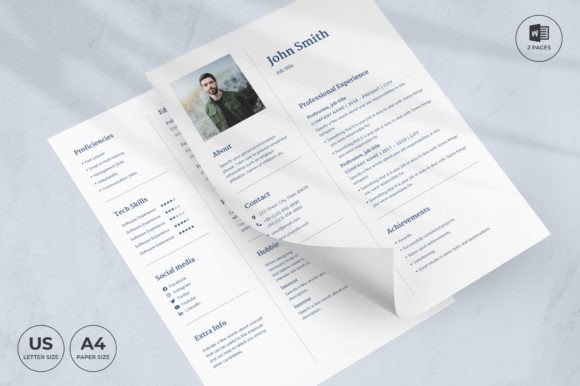
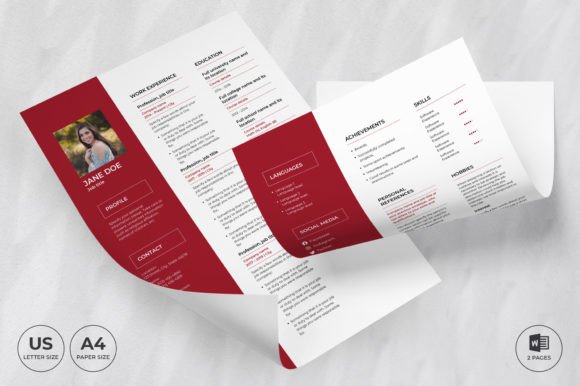
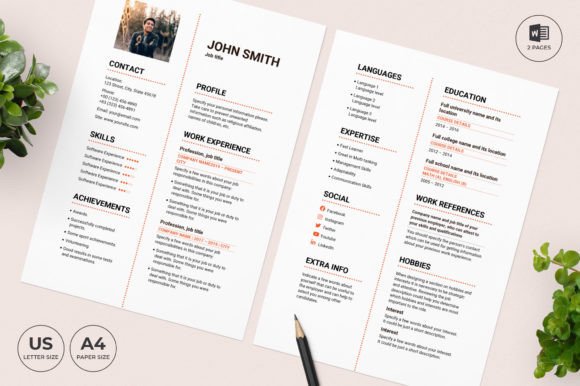
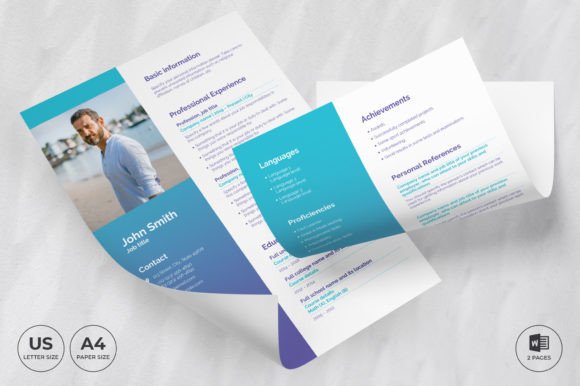
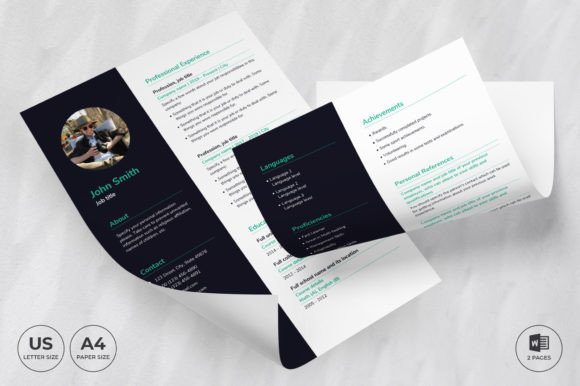
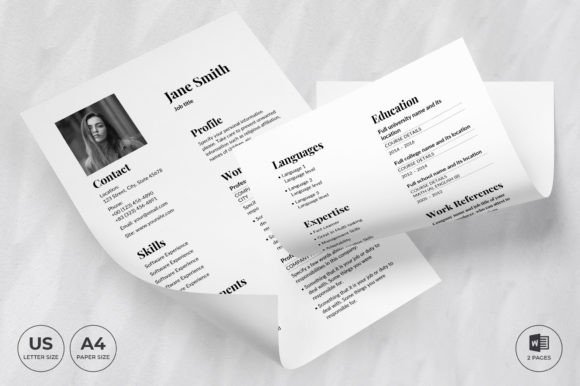
For performers, visual communication is everything. Your resume is often the first tangible piece of your brand that a director or agent sees. A cluttered, hard-to-read document can subconsciously signal disorganization, while a clean, modern, and professional design does the opposite. It shows you understand the industry's standards and respect the time of the people reviewing your work. The right Theater Resume Template CV achieves this by using a carefully designed grid, ample white space, and a logical hierarchy that guides the eye effortlessly from your name and contact information to your most impressive credits. It’s not about flashy graphics; it’s about clarity, readability, and a polished presentation that makes your accomplishments shine.
The Anatomy of an Effective Performer's CV
A great template does the heavy lifting, but understanding its components ensures you use it effectively. Here’s what to focus on:
- Strategic Layout: The best templates are meticulously organized. They separate sections like Performance Experience, Training, and Special Skills with clear headings, often using subtle lines or color blocks to create visual distinction without overwhelming the content.
- Font Choices: Professionalism is key. Look for templates that use clean, highly readable serif or sans-serif fonts for body text, perhaps pairing them with a slightly more distinctive but still professional font for your name. Avoid overly decorative script fonts for critical information—they’re difficult to scan quickly.
- Customization is King: Your resume should be as unique as your talent. A template that allows you to change every single word, adjust any color, and modify fonts is invaluable. This flexibility lets you tailor your CV for different types of roles—perhaps a more classic layout for Shakespeare and a sleek, modern one for contemporary commercial work.
- Practical Specifications: Ensure the template comes in both US Letter (8.5×11in) and A4 (210×297mm) sizes. You never know if you’ll be auditioning locally or submitting to an international casting call. Having a print-ready, high-resolution file (like a Microsoft Word DOCX) that’s also easy to edit digitally is non-negotiable.
From Audition Room to Marketing Materials: The Versatility of a Strong Template
The principles that make a Theater Resume Template CV effective are the same ones that underpin all successful visual branding. That clean, grid-based structure and attention to typographic hierarchy are the building blocks of a cohesive brand identity. Consider how the same design sensibility can be applied across your professional world:
- Personal Branding: Use the template’s color scheme and font pairings to create a matching business card, letterhead, or thank-you note. This creates a seamless and memorable brand experience for everyone you work with.
- Digital Presence: The layout principles translate directly to a simple portfolio website or a well-organized Linktree. The clarity and professionalism will make your online presence as compelling as your paper resume.
- Social Media Graphics: When announcing a show or sharing a review, use the template’s style as a guide for creating Instagram stories or Facebook posts. Consistent use of color and typography builds immediate recognition.
- Promotional Materials: Need to design a postcard for your one-person show or a program insert? A strong, customizable template provides the foundational design language to ensure all your materials look polished and connected.
Making It Uniquely Yours: A Practical Guide
Once you have your chosen template, the real work of personalization begins. Follow these steps to ensure your resume is both effective and authentically you:
- Prioritize Your Information: Place your most relevant and impressive credits at the top of each category. A casting director might only scan for 30 seconds—make sure they see your best work first.
- Choose Fonts with Purpose: If you change the fonts, test them for readability at a small size. A beautiful display font might work for your name, but a simple sans-serif is better for your list of skills. Consider how your font choices reflect the types of roles you pursue.
- Color with Caution: A pop of color can make your resume memorable, but use it strategically. A single accent color for your name or section headers is often more effective than multiple colors. Ensure there is high contrast between text and background for easy reading.
- Proofread Relentingly: A single typo can undermine the most beautiful design. Have a friend or mentor review it for errors and clarity. Does the layout make sense? Is the contact information prominent?
- Save and Export Correctly: Follow the included instructions for saving your final version. Often, saving as a PDF is the best way to preserve formatting across different computers and printers, while keeping an editable DOCX for future updates.
Your theater resume is more than a record of past roles; it’s a forward-looking tool designed to open doors to future opportunities. By starting with a well-structured, customizable Theater Resume Template CV