Scary Font: Bold Uppercase Letters for Halloween and Horror Design
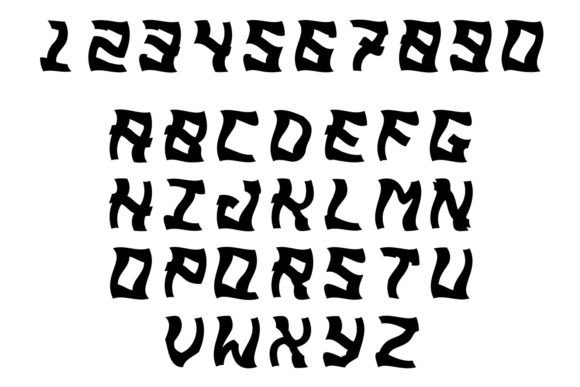
Every October, the same design challenge resurfaces: how do you create something that feels genuinely unsettling without resorting to cheap tricks or overused clip art? The answer often starts with typography. A single typeface choice can shift a project from forgettable to unforgettable, and when you need to evoke tension, dread, or dark elegance, a purpose-built scary font does the heavy lifting that generic typefaces simply cannot. This particular typeface delivers exactly that impact through stark black uppercase characters and numbers, isolated cleanly on white backgrounds, with a design philosophy rooted in visual drama.
What Makes This Typeface Work So Well
The strength of this font lies in its restraint paired with intensity. Black and white uppercase characters might sound simple, but simplicity is precisely what gives the design its power. There are no gradients, no decorative flourishes competing for attention—just bold, deliberate letterforms that command the page or screen. The uppercase-only approach forces every word into a statement. You cannot whisper in all caps. Everything reads as urgent, authoritative, or ominous, depending on context.
The letter construction itself carries visual weight. Thick strokes, sharp angles, and deliberate spacing create a rhythm that feels heavy and deliberate. When you set a headline like "ENTER AT YOUR OWN RISK" or "MIDNIGHT SALE," the characters do not just spell words—they establish atmosphere. This is the difference between a font that merely displays text and one that communicates a feeling before the reader even processes the meaning.
For designers who work across multiple formats, the included file variety matters. This package ships with AI and EPS vectors for Illustrator workflows, high-resolution JPG and PNG files for quick placement, and SVG for scalable web graphics. That range means you are not locked into a single application. Need to drop the letter "A" into a social media post? PNG has you covered. Building a logo that needs to scale from business card to billboard? The vector files handle that without a single pixel of quality loss.
Real Projects Where This Font Shines
Think about the last haunted house flyer you saw, or a horror movie poster, or even a Halloween-themed product label at the grocery store. The ones that worked probably shared a common trait: typography that felt intentional and thematic. That is the sweet spot for this typeface.
Event branding is an obvious starting point. Haunted attractions, escape rooms, Halloween festivals, and themed parties all benefit from a typeface that immediately signals the mood. When someone glances at a poster and feels uneasy before reading a single word, the font has done its job.
Packaging design for seasonal products—craft beers, candy, candles, hot sauces—often relies on typography to stand out on crowded shelves. A scary font on a black label with white text, or vice versa, creates instant shelf presence. The uppercase format ensures legibility even at small sizes on product packaging.
Social media graphics present another strong use case. Instagram stories, YouTube thumbnails, and TikTok covers all compete in fast-scrolling environments. Bold, high-contrast type stops thumbs. Pair these characters with a dark background and a single eerie image, and you have a thumbnail that earns clicks.
Blog headers and website banners for horror content creators, true crime podcasters, or paranormal investigators benefit from typography that matches their niche. Consistency between your visual identity and your content topic builds trust with your audience. If your blog covers ghost stories but uses a cheerful rounded font, something feels off. This typeface eliminates that disconnect.
Merchandise and print materials round out the practical applications. T-shirts, stickers, posters, and invitation cards for themed events all need scalable design assets. The vector formats ensure your designs stay crisp whether printed on a 3-inch sticker or a 3-foot banner.
Pairing and Practical Considerations
A display font like this works best as a headline or accent typeface, not as body copy. Setting an entire paragraph in an intense uppercase display font creates readability problems and visual fatigue. Instead, use it strategically—headers, titles, short phrases, single words that need to land with impact. Pair it with a clean sans serif font for supporting text. A neutral typeface like a modern geometric sans serif lets the scary font breathe without competing for attention.
Test your pairings in context. A combination that looks balanced in your design software might feel different at actual viewing distance on a printed poster or at thumbnail size on a phone screen. Print a test sheet. View your web mockup on an actual phone. These small checks prevent costly revisions later.
Color decisions also deserve attention. The default black-on-white isolation of these characters provides maximum contrast and flexibility. You can invert to white-on-black for dark-themed designs, or overlay on atmospheric photography with careful opacity adjustments. Avoid pairing this font with overly busy backgrounds where the letterforms get lost. Its power comes from clarity and boldness—obscuring either weakens the effect.
Commercial Use and Licensing
Before incorporating any premium font into client work or commercial products, review the licensing terms carefully. Most design assets intended for commercial use include specific permissions and restrictions. Understanding whether your license covers merchandise sales, digital product embedding, or unlimited client projects protects you legally and prevents awkward conversations later. This is especially important for designers who create assets for multiple brands or sell templates and digital products.
The file formats included with this typeface—AI, EPS, JPG, PNG, SVG—cover the technical needs of most creative professionals. However, always confirm that the license matches your intended application. A font used in a one-time event poster carries different licensing implications than one embedded in a product line sold nationwide.
Why Typography Choices Define First Impressions
People process visual information faster than text. Before a customer reads your sale announcement or your event details, they absorb the visual tone. Typography is the silent ambassador of your brand identity, and choosing a typeface that aligns with your project's emotional goal is not a minor detail—it is a foundational decision.
A scary font communicates something specific: intensity, drama, urgency, darkness, power. When those qualities match your project, the alignment between message and visual language creates a cohesive experience that audiences feel instinctively. That cohesion builds brand recognition over time. People start to associate your visual style with your content, your products, your events.
For creative entrepreneurs and small business owners, investing in a well-designed typeface with multiple file formats is not an extravagance. It is a practical asset that pays dividends across every touchpoint where your brand appears. One font, used consistently across your website headers, social graphics, packaging, and print materials, creates a visual thread that ties everything together. That consistency signals professionalism, and professionalism builds the trust that turns casual browsers into loyal customers.